
کابینت نمایش حرارتی چند محصول
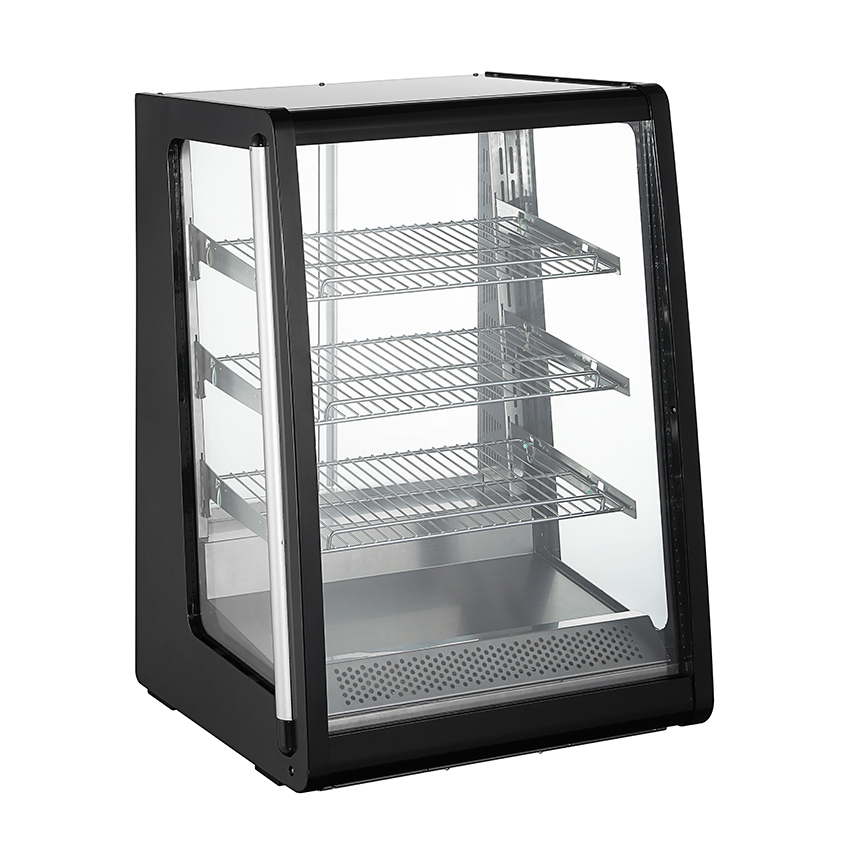
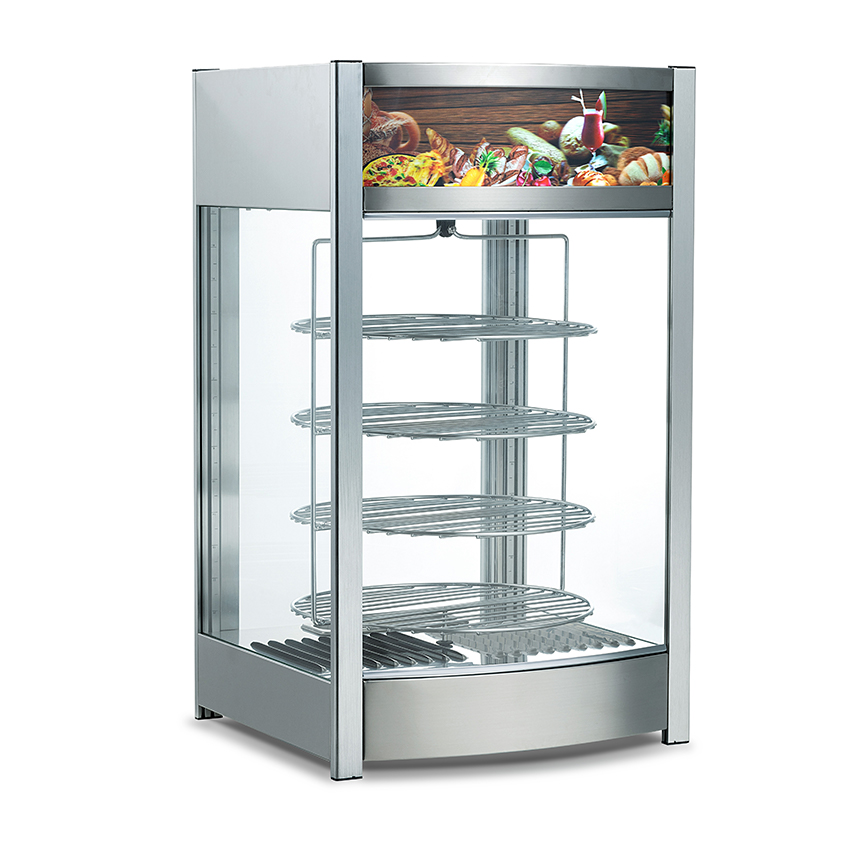
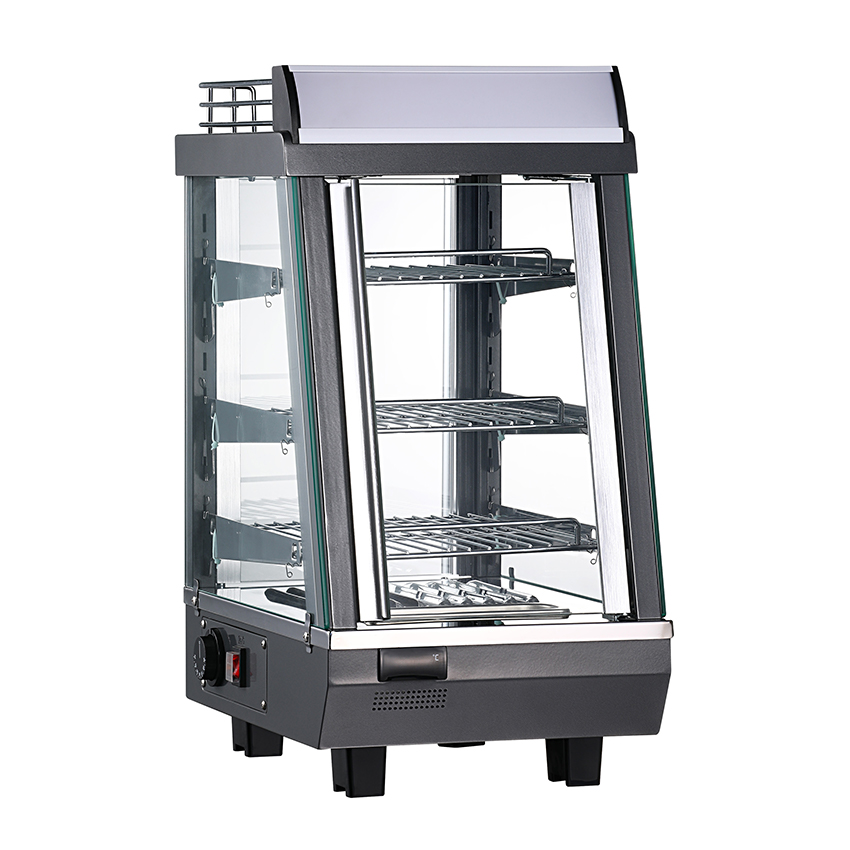
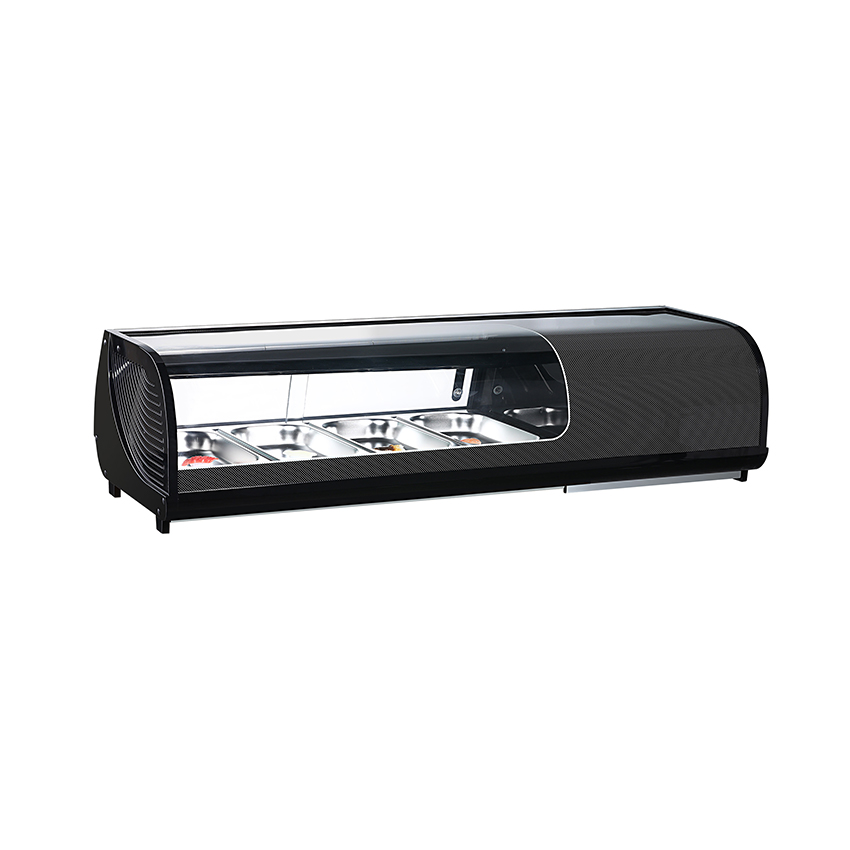
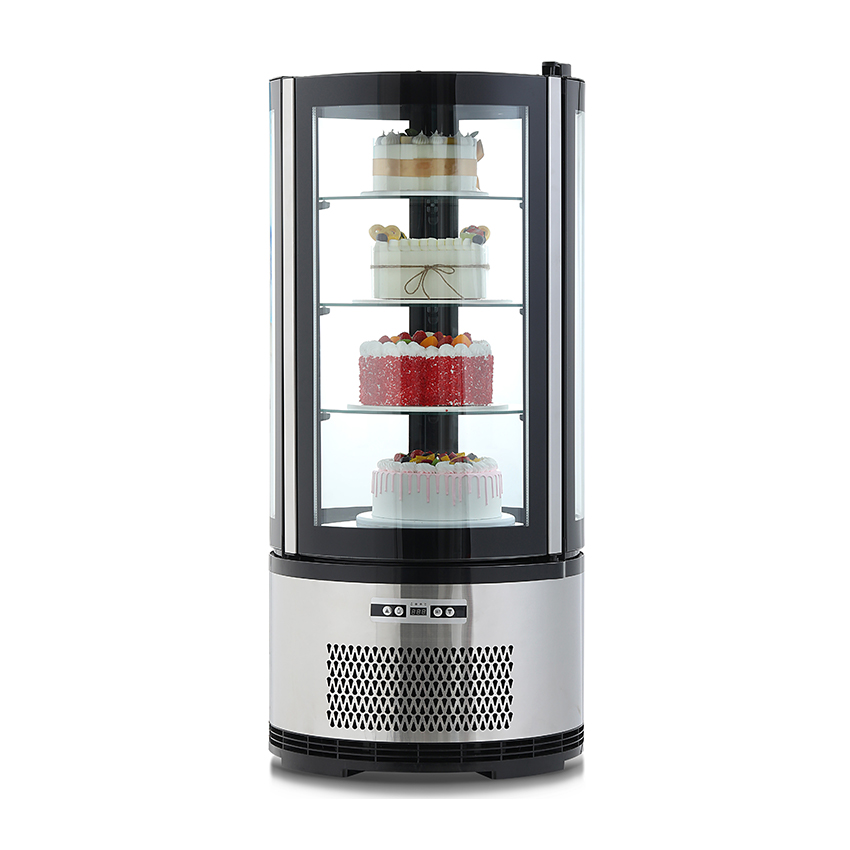
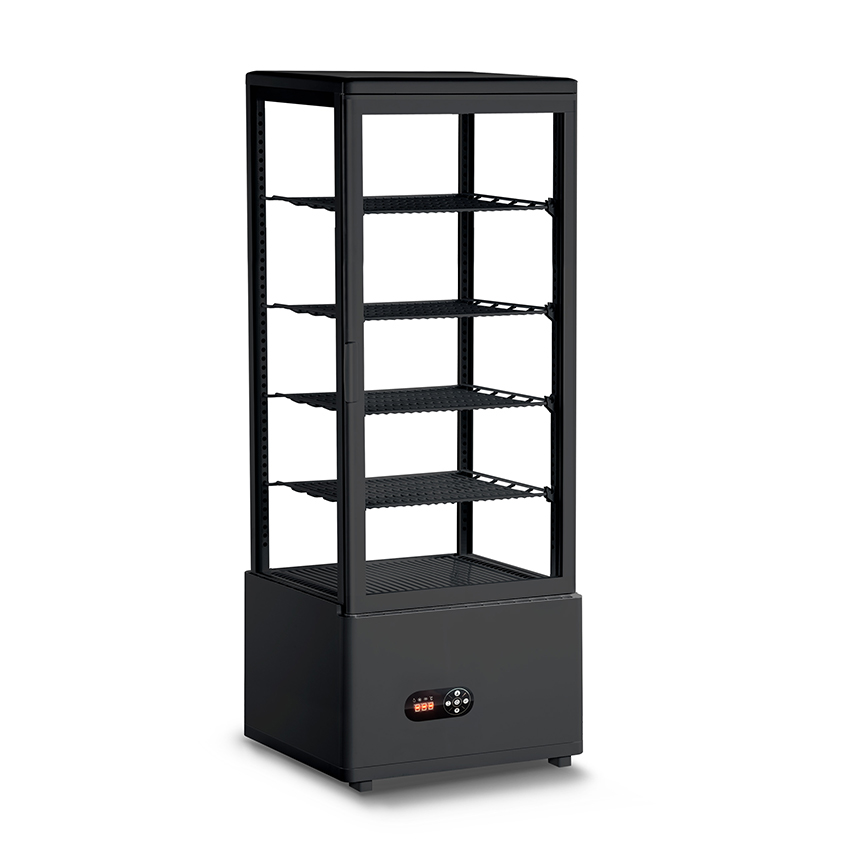
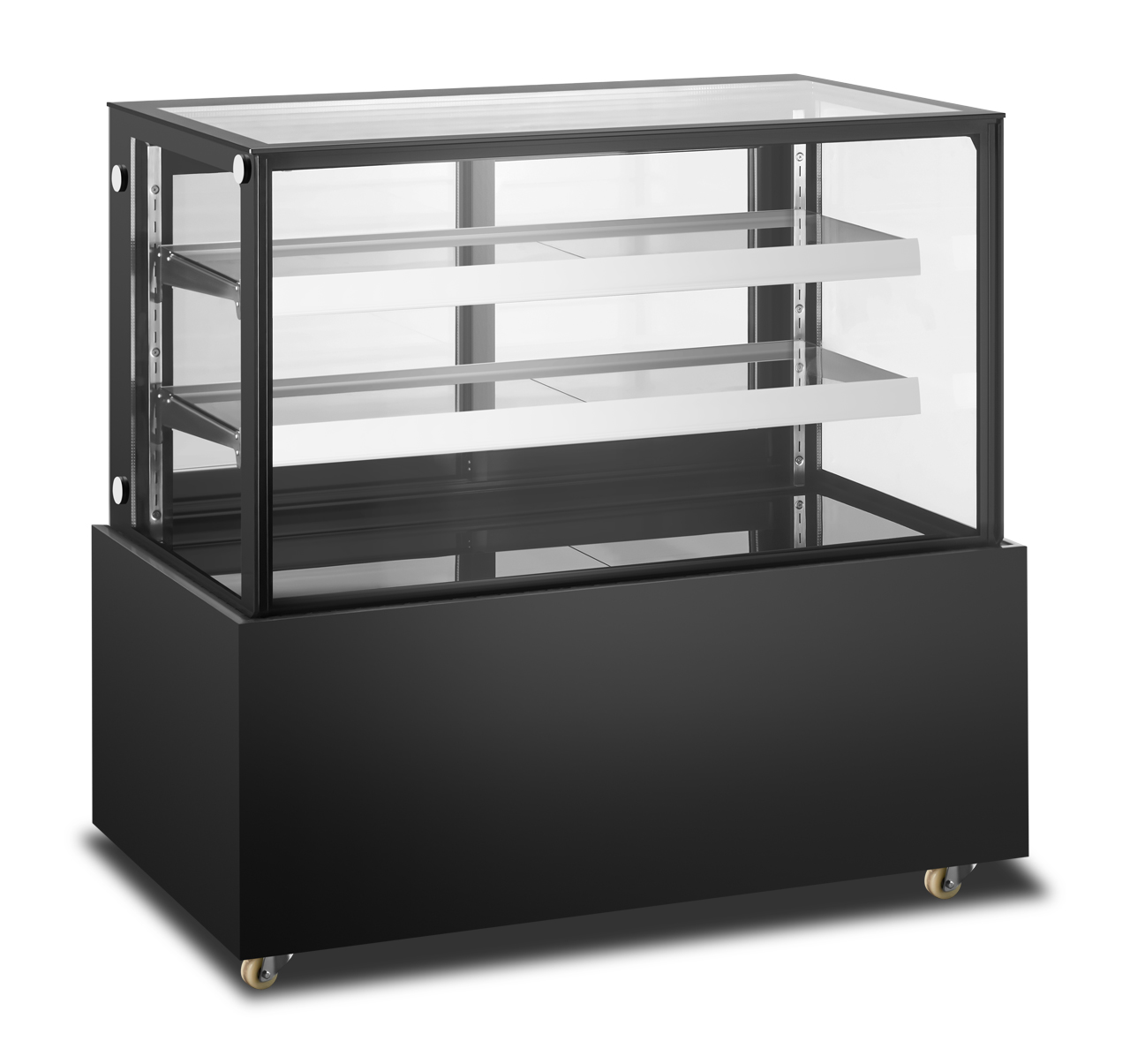
کابینت نمایشگر عایق حرارتی چند محصول دارای اندازه های مختلف ، ظاهر ظریف و طراحی منحصر به فرد است. این طراحی درب ...



The right size for a Commercial refrigerated display cabinet is determined by three practical measurements taken together: the linear footage of floor space available along the wall or counter, the daily sales volume of the products being displayed, and how often the case will be restocked during business hours. As a general starting point, small bakeries and coffee counters typically work well with a 4 to 6 foot case, convenience stores and delis often need 6 to 8 feet of display length, and full-service supermarkets or high-volume restaurants commonly require 8 to 12 feet or multiple linked sections.
These figures are not fixed rules, since actual sizing also depends on shelf configuration, product packaging size, and how densely items are arranged inside the case. The sections below walk through each of these variables individually, along with comparison charts, a structural diagram, and a sizing table organized by business type, so that anyone evaluating a refrigerated display case for bakery , supermarket, convenience store, or restaurant use can match a size to their actual daily operation rather than guessing.
Measuring the wall length or counter footprint available is the first practical step, since a case that is too long for the space will crowd walkways, while one that is too short will limit merchandising options. Most commercial kitchens and retail counters plan for at least 6 inches of clearance on either side of a case for door swing, cleaning access, and staff movement.
Bakery items such as cakes and pastries generally take up more vertical and horizontal space per unit than packaged beverages or deli portions, so product mix has a direct effect on how much linear footage is actually needed. A bakery case built primarily for tall cake displays often needs fewer but taller shelves compared with a deli case designed for shallow trays.
Locations with high foot traffic and fast product turnover, such as convenience stores near transit hubs, tend to benefit from wider cases that allow multiple customers to view products at once without crowding a single narrow unit. Lower traffic specialty shops can often operate efficiently with a more compact footprint.
A case that gets restocked only once or twice a day, common in smaller bakeries, can run comfortably with a tighter shelf layout. Locations that restock continuously throughout the day, such as busy supermarket delis, typically need extra shelf depth or additional case length to avoid running out of display space between restocking cycles.
The chart below outlines commonly used linear footage ranges reported across retail refrigeration planning guidance for different types of food retail and foodservice operations.
These ranges represent starting reference points rather than fixed requirements, and many operators combine multiple case sections to reach a custom total length that fits their exact counter space.
Internal storage volume increases roughly in proportion to case length, though shelf depth and configuration also affect how much product actually fits inside.
Cubic feet figures shown here are approximate and vary between manufacturers depending on shelf spacing, insulation thickness, and whether the unit uses straight glass or curved display fronts.
Larger refrigerated display cases generally draw more daily energy due to increased glass surface area and internal air volume, a pattern widely noted in commercial refrigeration efficiency literature. This trend is worth factoring into sizing decisions alongside product capacity needs.
Because of this pattern, some operators choose two mid-size units placed strategically around a store rather than a single oversized case, which can help balance product visibility with manageable energy use.
The radar chart below compares general characteristics across three common size categories to help frame the trade-offs involved when selecting between them.
Compact cases score well on footprint efficiency and are easier to fit into tight counter spaces, mid-size cases tend to offer the most balanced overall profile, and large cases favor product capacity and visibility at the cost of more floor space and higher energy draw.
Understanding the internal layout of a Commercial refrigerated display cabinet helps clarify why length and shelf configuration both affect usable capacity, not just the exterior dimensions listed in a spec sheet.
The table below summarizes general sizing patterns across common food retail and foodservice settings, useful as a reference when comparing options from a refrigerated display case supplier or evaluating a custom refrigerated display cabinet configuration.
| Business Type | Typical Length | Shelf Configuration |
|---|---|---|
| Bakery counter | 4 to 6 feet | Fewer, taller shelves for cakes and pastries |
| Convenience store | 6 to 8 feet | Multiple shallow shelves for beverages and snacks |
| Restaurant service counter | 6 to 8 feet | Mixed depth shelving for prepared dishes and desserts |
| Supermarket deli | 8 to 12 feet or multi-section | Deep, high-turnover shelving with frequent restocking access |
Many operators source a refrigerated display case for supermarket environments as linked modular sections rather than a single continuous unit, which allows easier servicing and the option to adjust total length later if store layout changes.
Standard case lengths cover most common layouts, but corner spaces, curved counters, and unusual store footprints often call for a custom refrigerated display cabinet built to exact dimensions rather than a stock size. Working directly with a refrigerated display cabinet OEM or a commercial refrigerated display case OEM partner allows businesses to specify exact length, shelf spacing, door style, and finish to match branding and available floor space.
A reliable commercial refrigerated display case manufacturer will typically ask for the exact counter dimensions, expected product mix, and desired temperature zone before recommending a final configuration, since these details affect both size and internal shelf layout far more than exterior appearance alone.
Zhejiang Fuerj Electric Science And Technology Co., Ltd. was founded in 1997 and produces electric heating and refrigeration products, including freezers and cake display showcases, from a facility covering 110,000 square meters with a construction area of approximately 85,500 square meters. The company employs 650 staff members, including 85 engineering and technical personnel, with more than 160 employees holding a college degree or above.
As a long established Commercial refrigerated display cabinet manufacturer and refrigerated display case manufacturer , the company produces approximately 750,000 units annually across its product range and exports to more than 20 countries and regions across Europe, the Americas, Asia, and Africa. This scale of production experience supports the sizing and configuration guidance shared throughout this article for bakery, supermarket, convenience store, and restaurant applications.

Copyright © شرکت علوم و فناوری برقی ژجیانگ فوره ، آموزشی ویبولیتین Rights Reserved. تولید کننده نمایشگاه ویترین غذا کارخانه شومینه $ $
